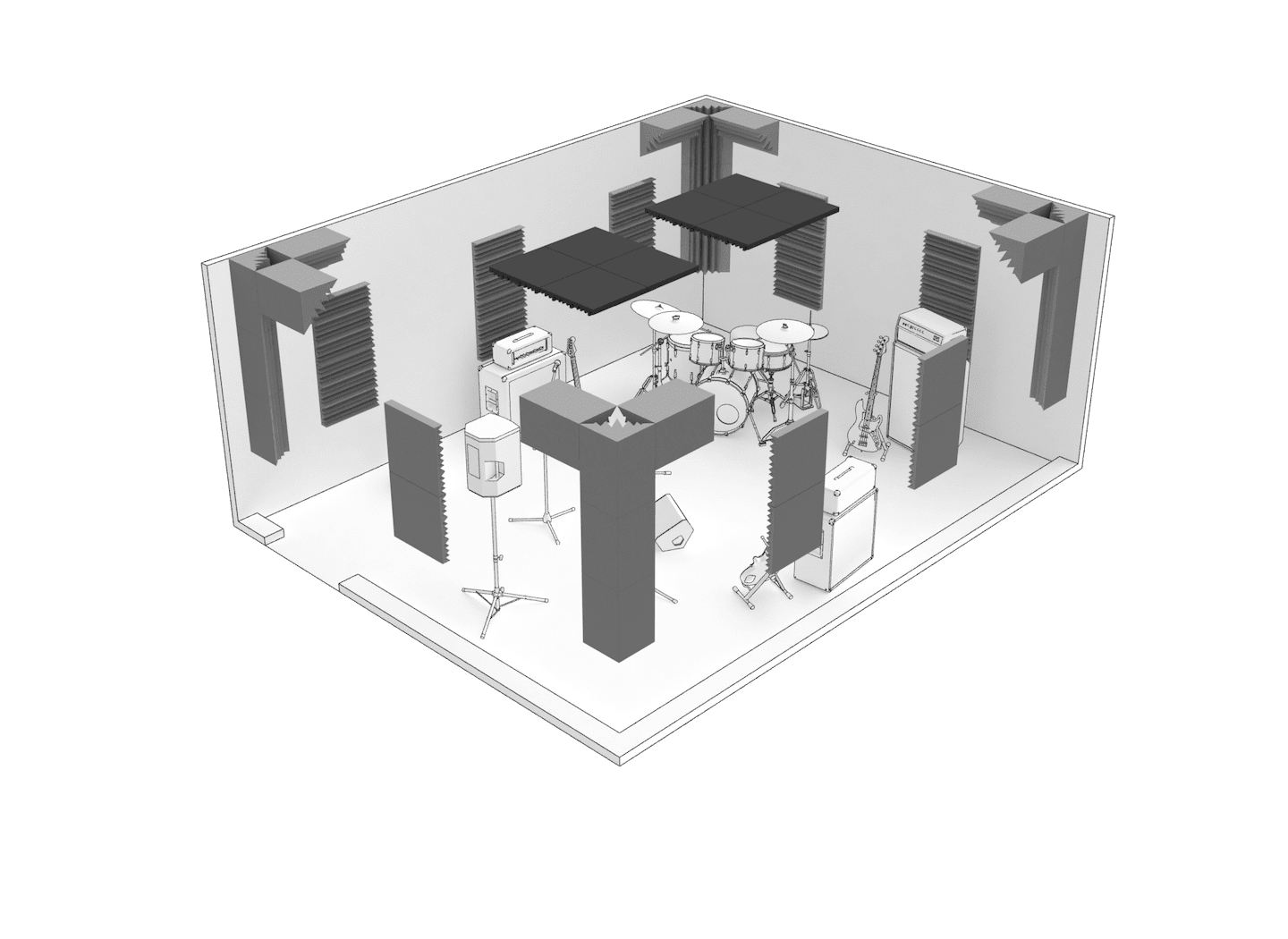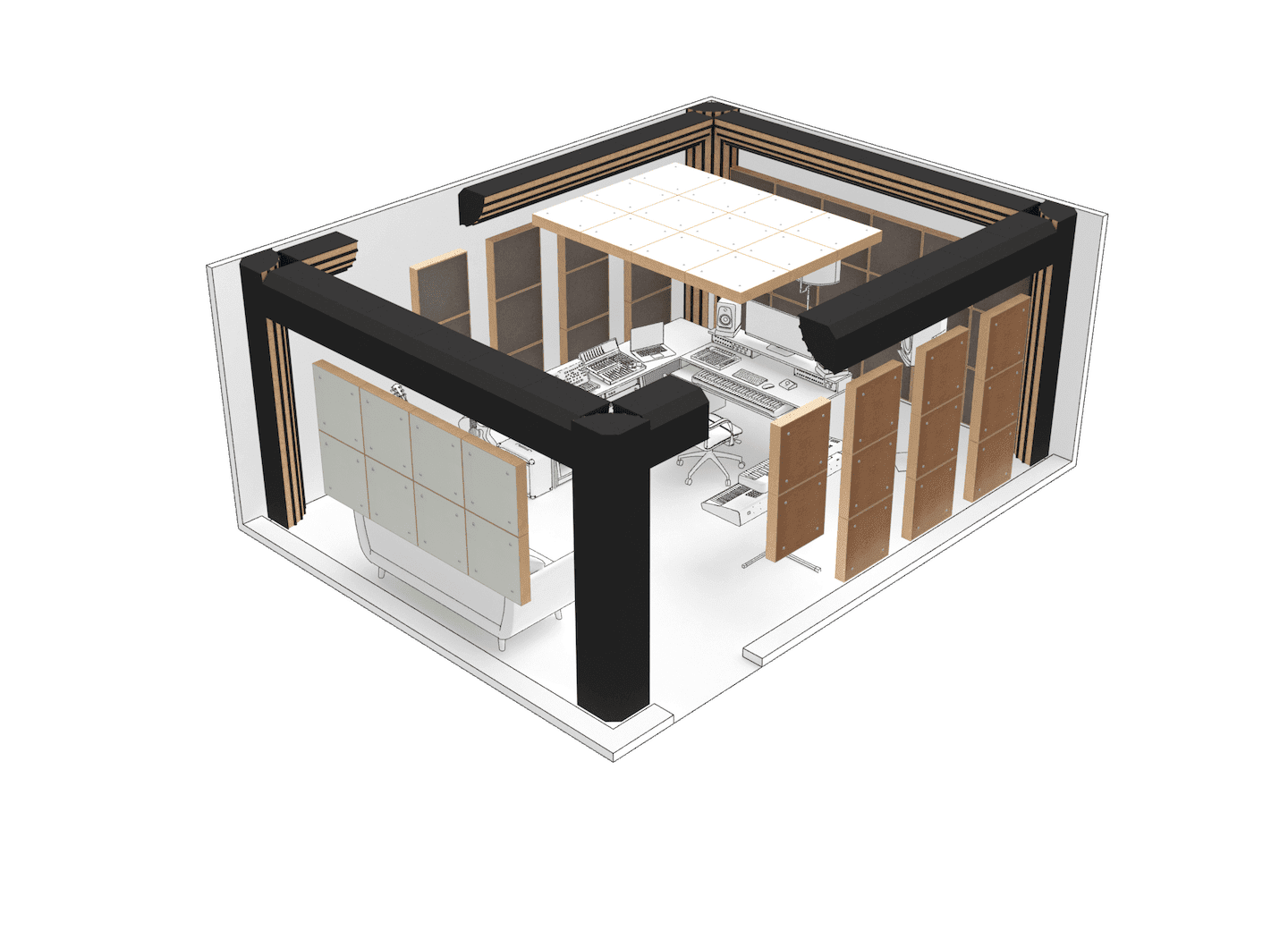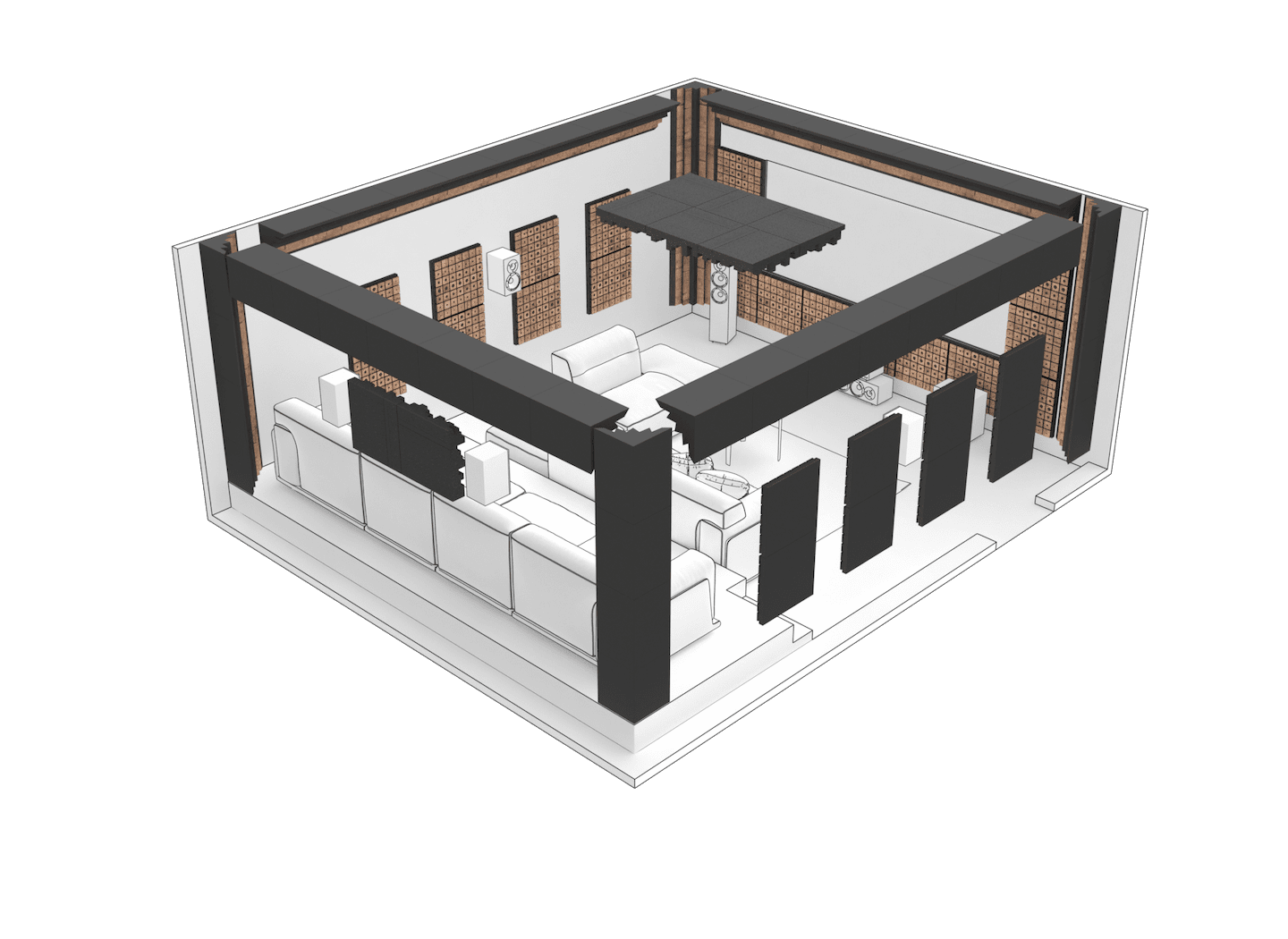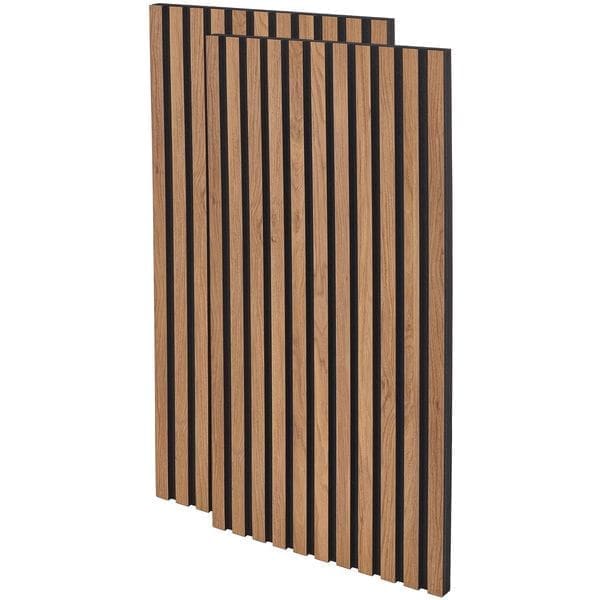
WALL ABSORBERS
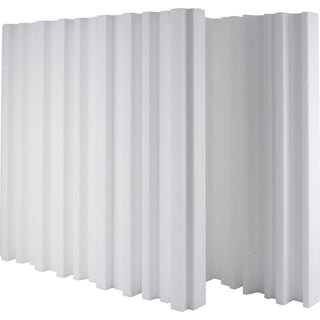
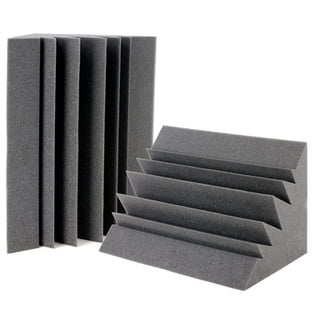
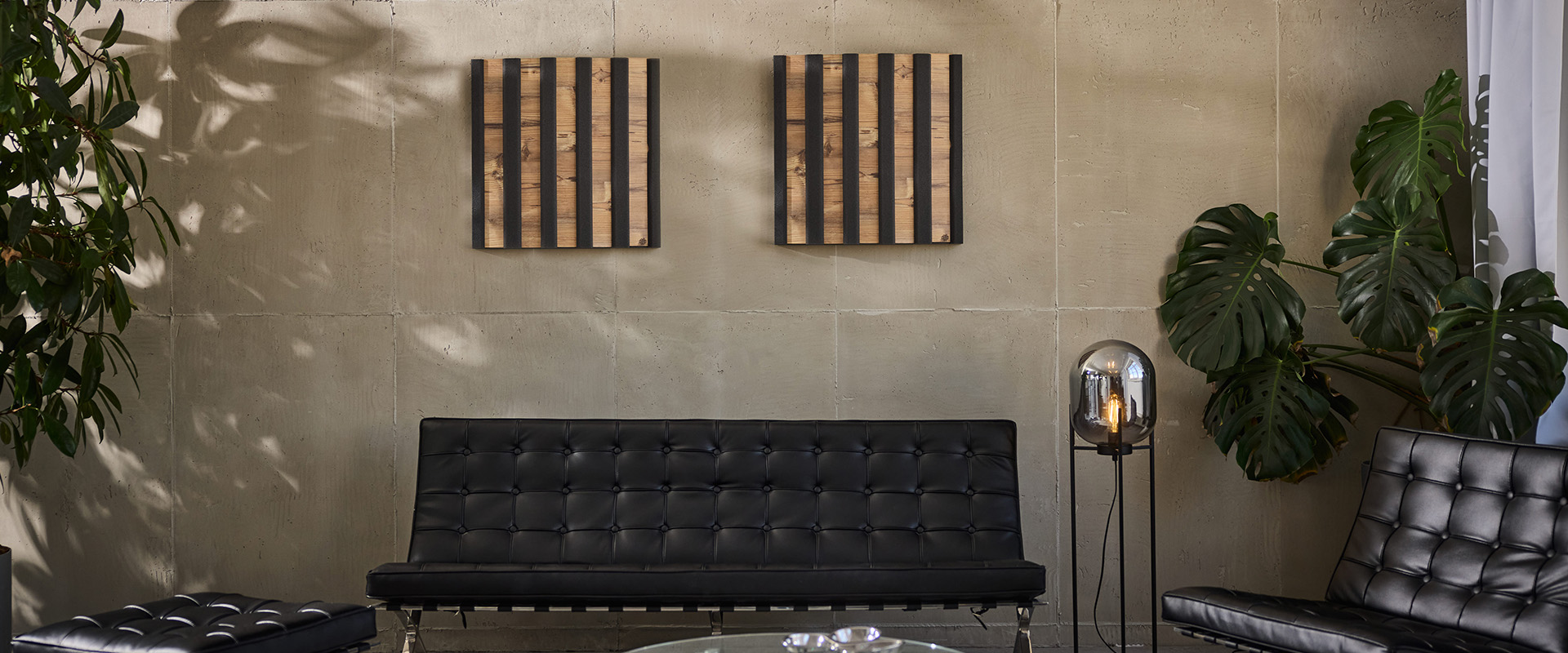
Wall Absorbers for precision sound control. Combat primary reflections and harsh echoes with our high-performance wall absorbers. Designed to be mounted at critical reflection points, these panels use dense, porous materials to convert acoustic energy into thermal energy via friction. This process drastically reduces reverberation and minimizes the impact of room modes that muddy your audio. Available in various designs and optimized for specific frequencies, our wall absorbers blend seamless aesthetics with professional acoustic correction.
Overview
Why Use Wall Absorbers?
Your walls shape your stereo image. Untreated parallel walls create flutter echoes and comb filtering effects—phase interferences that obscure monitor details and amplify resonance patterns.
Wall absorbers solve the problem: they tame side reflections and reduce frequency cancellations and buildup. By strategically placing them at the main reflection points, you stabilize your stereo image and achieve a more balanced frequency response—transients and spatial positioning become significantly more precise.

Absorber Materials for Your Walls
Wall absorbers have to withstand a lot and affect how spacious your room feels:
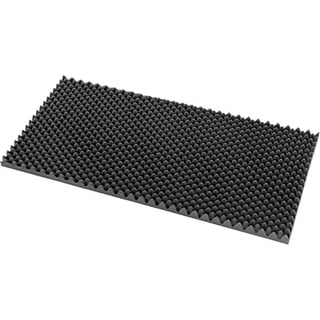
Polyurethane Pads: Flexible absorbers, ideal for DIY projects and home studios. They’re durable, easy to stick on, and adapt easily to slightly curved walls.
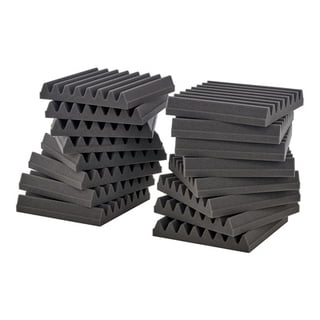
Broadband Panels: The workhorses of the studio. These flat, fabric-covered panels provide even attenuation from 125 Hz to 20 kHz—essential for a neutral frequency response.
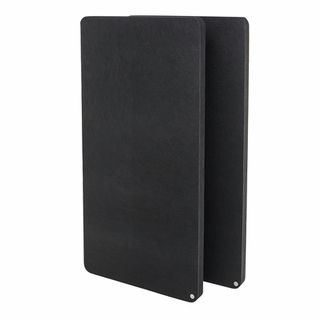
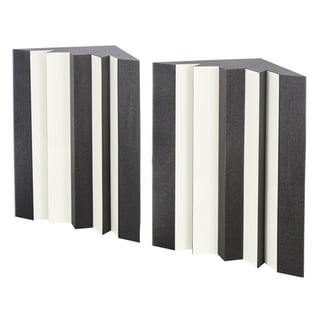
With a reflective front panel: Some wall absorbers have a front that reflects high frequencies. This is useful for home theaters and hi-fi rooms—you control reflections without making the room sound muffled.
How to Find the Right Placement
Mirror Point Method: To find the perfect location, have a partner move a mirror along the wall until you see your monitor’s tweeter from your listening position. That is your primary reflection point.
Don’t Treat Everything: That’s the mistake—don’t dampen every square inch. Start with the side walls to stabilize your stereo image. Too much treatment makes the room sound dull and “boxy,” and it then lacks liveliness.
If space is limited: Wall absorbers are usually 3–10 cm deep. If you have limited space, you can use thinner, high-density panels (such as melamine)—they control the upper midrange very well and take up hardly any space.
Still unsure? Whether you’re treating a Studio, Home Cinema, Rehearsal Room, or Office, our Room Configurator will help you determine the precise acoustic solutions required for the specific dimensions and application of your space.